By the Car Subscriptions Editorial Team · Updated 8 October 2026
Is breakdown cover included with a subscription?
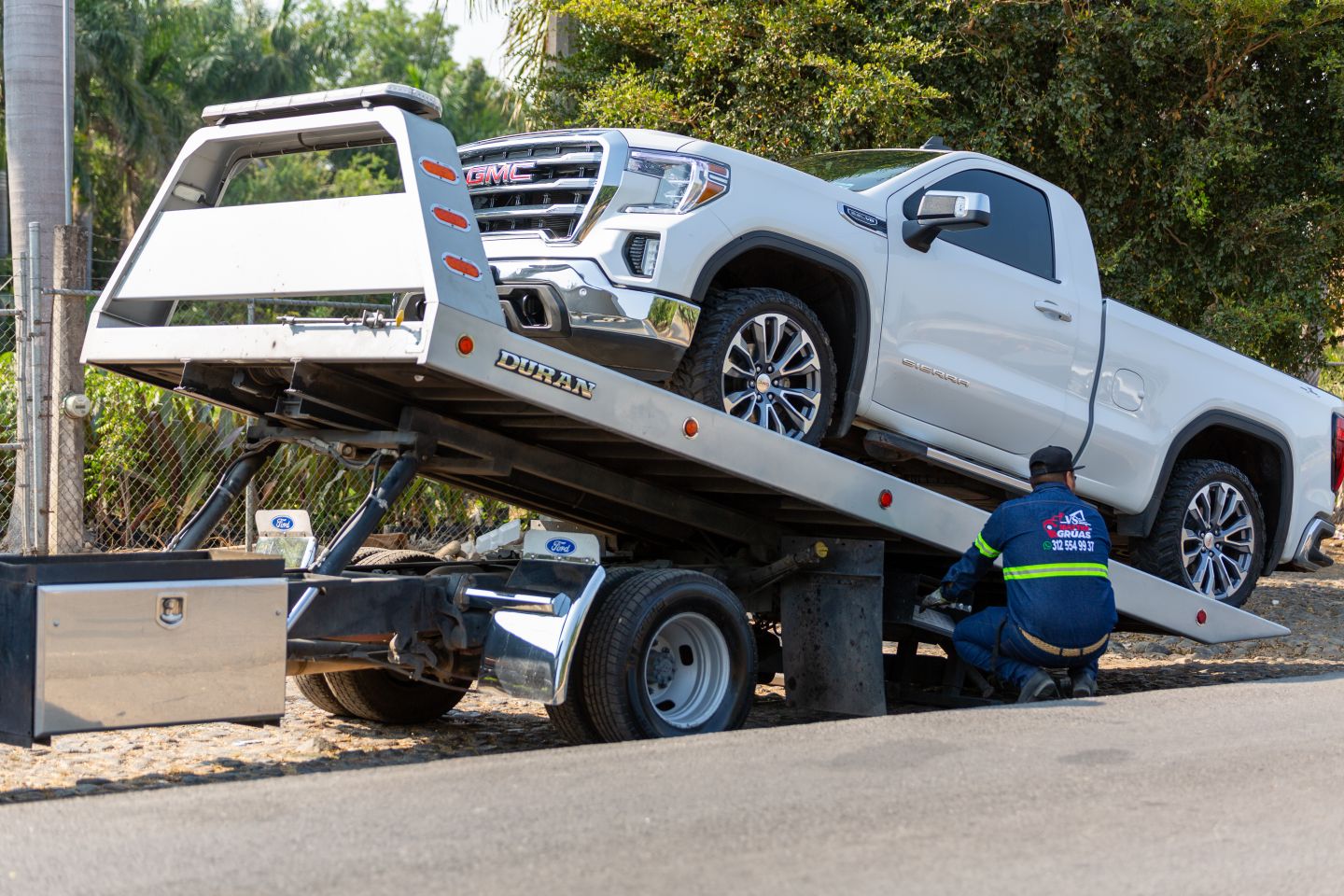
In the UK, breakdown assistance is one of the items most often included in a subscription, either through the provider's own arrangement or through the manufacturer's assistance scheme that comes with a newer car. Some packages describe it as roadside assistance, others as breakdown and recovery.
Manufacturer assistance is often linked to the car's age or warranty, so on an older subscription car it may have ended. Ask the provider who supplies the cover and what it includes.
Levels of cover explained
Breakdown policies are usually built in layers. The names differ between providers, but the structure is broadly similar.
- Roadside assistance: help when you break down away from home, with a tow to a nearby garage if the car cannot be fixed
- Home start: help if the car will not start at or near your home address
- National recovery: transport of the car and passengers to a destination of your choice in the UK
- Onward travel: a replacement car, alternative transport or overnight accommodation while repairs are carried out
- European cover: assistance when driving abroad, usually sold separately
Electric car breakdowns
Electric cars have fewer mechanical parts, but they still suffer flat 12-volt batteries, tyre problems and occasional faults. Running out of charge is a specific risk, especially for drivers new to EVs.
Many breakdown services will take a car that has run out of charge to the nearest suitable charger, and some patrol vans can add a small amount of charge at the roadside. Check whether this is covered, and whether there is a limit on how often it can be used.
Breakdown cover for business use
If a subscription car is used for work, make sure the breakdown cover applies to business use and to every driver. Some personal policies cover the person rather than the vehicle, which may not extend to a company-provided car.
Businesses running several vehicles may prefer a single fleet breakdown arrangement. If the provider already includes cover, check that it meets the business's needs before buying more, to avoid paying twice.
Checking your agreement
Before you rely on any cover, find the breakdown details in your agreement or welcome pack and save the number in your phone. Then check the points below. If you decide extra cover is worthwhile, the main UK providers include the AA, the RAC and Green Flag, and comparison sites list many others.
- Who provides the cover and the number to call
- Whether home start and national recovery are included
- Whether you are covered in Europe, and what permission the provider needs
- What happens if the car runs out of fuel or charge
- Whether you must use a particular service for the cover to apply
Major UK breakdown providers
If your agreement doesn't include breakdown assistance, or you want a higher level of cover, these are the largest UK providers. We don't recommend one over another.
Frequently asked questions
Do I need my own breakdown cover with a subscription?
Often not, because many subscriptions include it. Check the level of cover first; you may still want extras such as national recovery or European cover.
Does manufacturer assistance last for the whole subscription?
Not always. It is often tied to the car's age or warranty period, which may end during your agreement. Ask the provider.
Am I covered if I run out of charge in an EV?
Many breakdown services will help, usually by taking the car to a nearby charger. Terms differ, so check your policy.
Is there cover for driving abroad?
Breakdown cover for Europe is usually separate from UK cover. You will also need the provider's permission to take a subscription car abroad.
Is personal breakdown cover valid in a subscription car?
If your policy covers you as a person rather than a specific vehicle, it may apply in any car you drive. Check the policy wording and any exclusions.
What should I do if I break down on a motorway?
If it is safe, leave the vehicle by the passenger side and wait behind the barrier, then call for help. The Highway Code on gov.uk sets out what to do.